



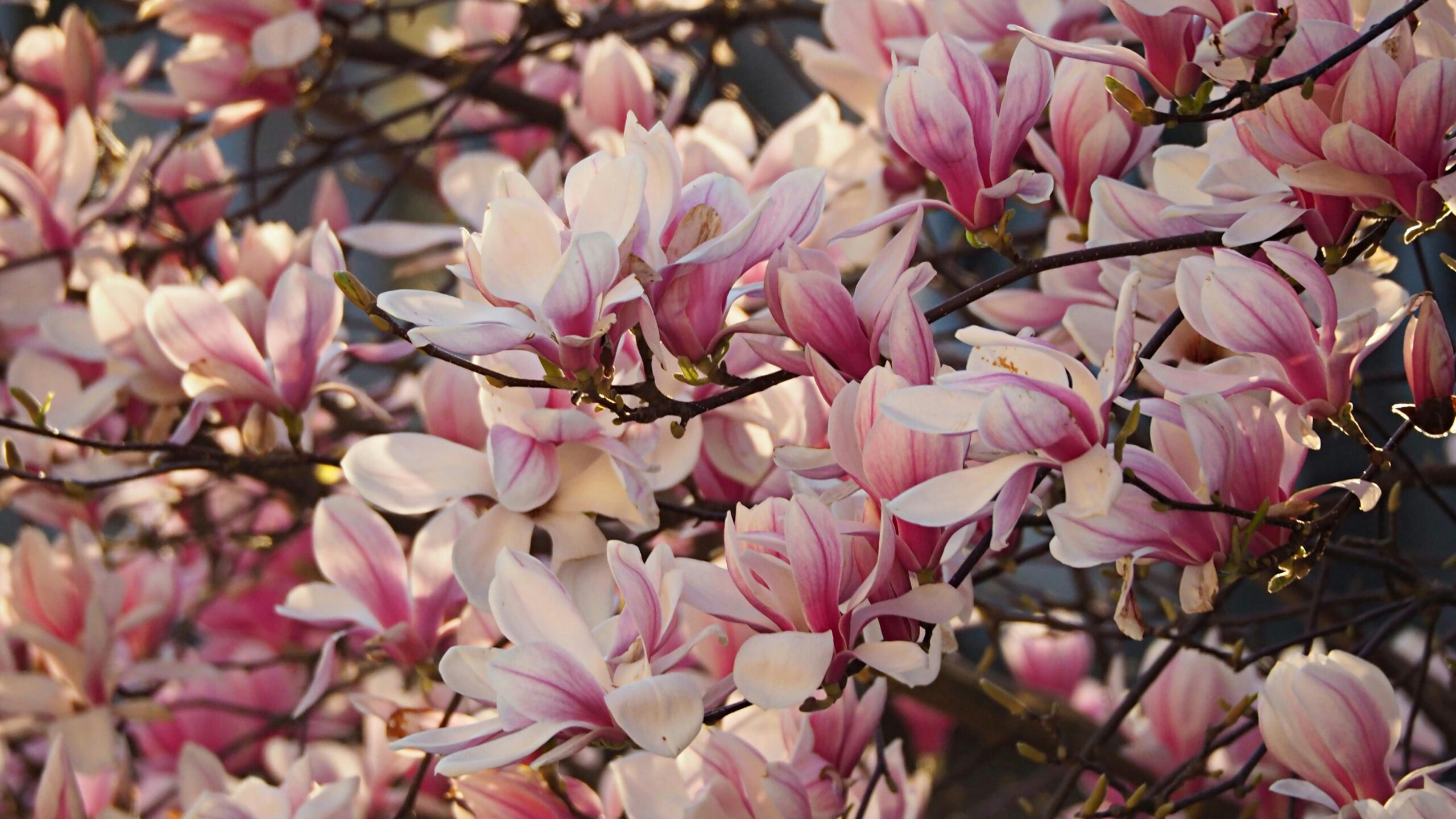
Magnolia is a stunning spring performer that steals the show.
Just as winter begins to loosen its grip, magnolias burst into bloom with dazzling displays of white, pink, purple or yellow flowers.
Whatever the colour, the effect of the large, silky flowers is the same: you stop, you stare, and for a moment, spring feels certain.
Magnolias are among the oldest flowering trees on earth, their blooms largely unchanged for millions of years. And no wonder gardeners have stuck with them down through the years – they bring vibrant spring colour, fragrance and elegant structure.
Flowers appear before the leaves, creating a striking “floating blossom” effect.
Many varieties are hardy enough for Canadian gardens, especially with a little shelter. Once established, they are long-lived and dependable.
Vital statistics
-
Height: Typically 3m-8m (10-25 feet) for most garden varieties, though some will grow taller with time. But many modern hybrids, including stelata, are more compact, forming small, manageable trees while still delivering visual impact.
-
Spread: Approximately 3m-6m (10-20 feet). Magnolias develop a rounded, spreading canopy as they mature, often branching low to create that familiar, graceful outline that looks as good in winter as it does in leaf.
-
Flowers: Large, goblet- or star-shaped blooms appearing in early to mid-spring, often before any leaves emerge. Colours range from pure white and soft blush pink to rich rose and deep purple. The petals are thick and slightly waxy, giving them a smooth, almost luminous quality; many varieties carry a light, fresh fragrance.
- Foliage:
Fresh green leaves follow the flowers, creating a dense summer canopy. Deciduous types may turn soft yellow or bronze in autumn, while evergreen magnolias provide year-round structure with glossy, leathery leaves.
-
Hardiness: Most commonly grown varieties are hardy to Zone 4-5 with some protection. The trees themselves cope well with Canadian winters, but early blossoms can be vulnerable to late frosts-so a sheltered position helps preserve the display.
- Growth rate: Moderate. Magnolias are not fast growers, but they are steady and long-lived, gradually forming a balanced, elegant tree that improves with age.
- Position: Best in full sun or light dappled shade, in a sheltered spot away from strong winds. Avoid frost pockets where cold air can settle in early spring.
- Soil: Prefers moist, well-drained, slightly acidic soil rich in organic matter. They dislike waterlogged conditions and resent disturbance, so it pays to choose the planting spot carefully from the outset.
Simple care
Choose the position well, prepare the soil, and then let them settle. Their roots are shallow and do not appreciate being disturbed. A sheltered location makes all the difference, helping to protect those early blooms from wind and frost.
After that, care is simple. A mulch in spring, water during prolonged dry spells, and pruning to remove damaged wood or tangled branches.
Varieties to look for
One of the pleasures of growing magnolias is discovering just how varied they can be. From compact shrubs to spreading small trees, there’s something to suit most gardens.
Saucer magnolia (Magnolia × soulangeana)
The classic choice, often seen in established gardens. Large pink-and-white goblet flowers appear in early spring, creating that iconic magnolia display. Given space, it develops into a broad, spreading small tree with real presence.
‘Susan’ (Little Girl series)
A more compact option, typically reaching around 2.5m-4m (8-12 feet). The flowers are a rich reddish-purple and appear slightly later in spring, helping them avoid late frosts.
Star magnolia (Magnolia stellata)
Smaller and more delicate in appearance, with white, star-like flowers made up of slender petals. It flowers early and is one of the hardiest types, making it well-suited to smaller gardens.
Yellow magnolias (‘Yellow Bird’, ‘Elizabeth’)
Less common, but well worth seeking out. Their soft yellow blooms bring something a little different to the spring garden, often appearing as the leaves begin to emerge.
Companion plants
Magnolias don’t need much help, but a little thoughtful planting beneath them can enhance the effect.
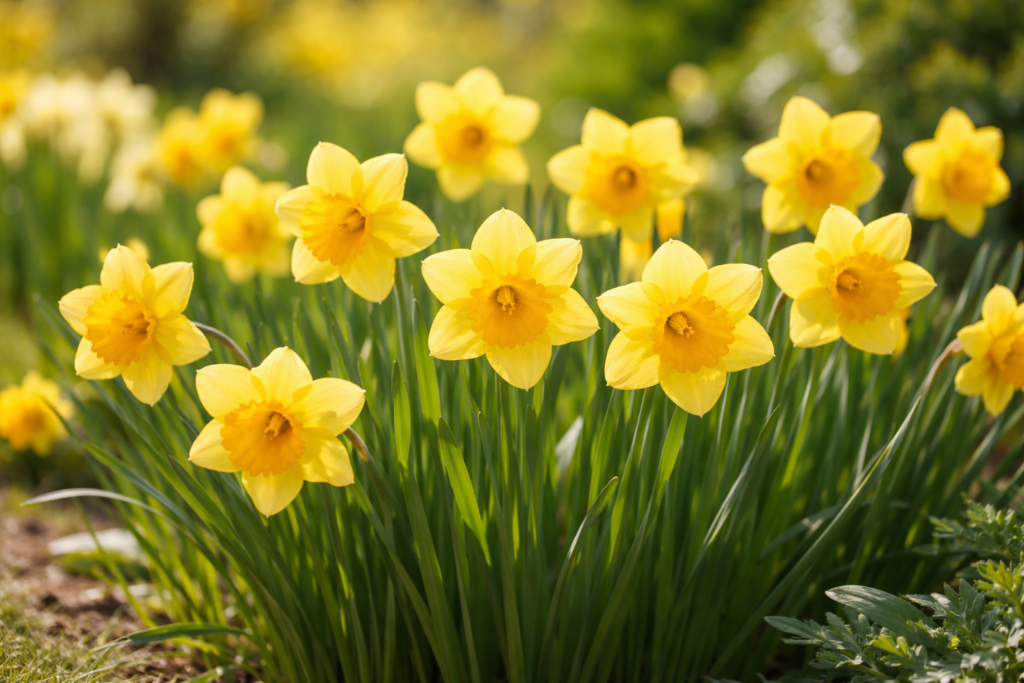
Spring bulbs such as daffodils and tulips work beautifully, echoing the season without competing. Later, shade-tolerant perennials or simple groundcovers can fill the space once the canopy develops.
The key is restraint. Let the magnolia remain the focal point.
Reassuring
There’s something reassuring about a magnolia.
Perhaps it’s the timing – flowering just when you need a lift after winter. Or perhaps it’s the sense of permanence, of planting something that will quietly grow and return each spring, long after the moment of planting has passed.
Either way, it’s a tree that teaches patience – and rewards it beautifully.