There was a time when holidays were all about squeezing as much as possible into a week or two, with early flights and packed itineraries.
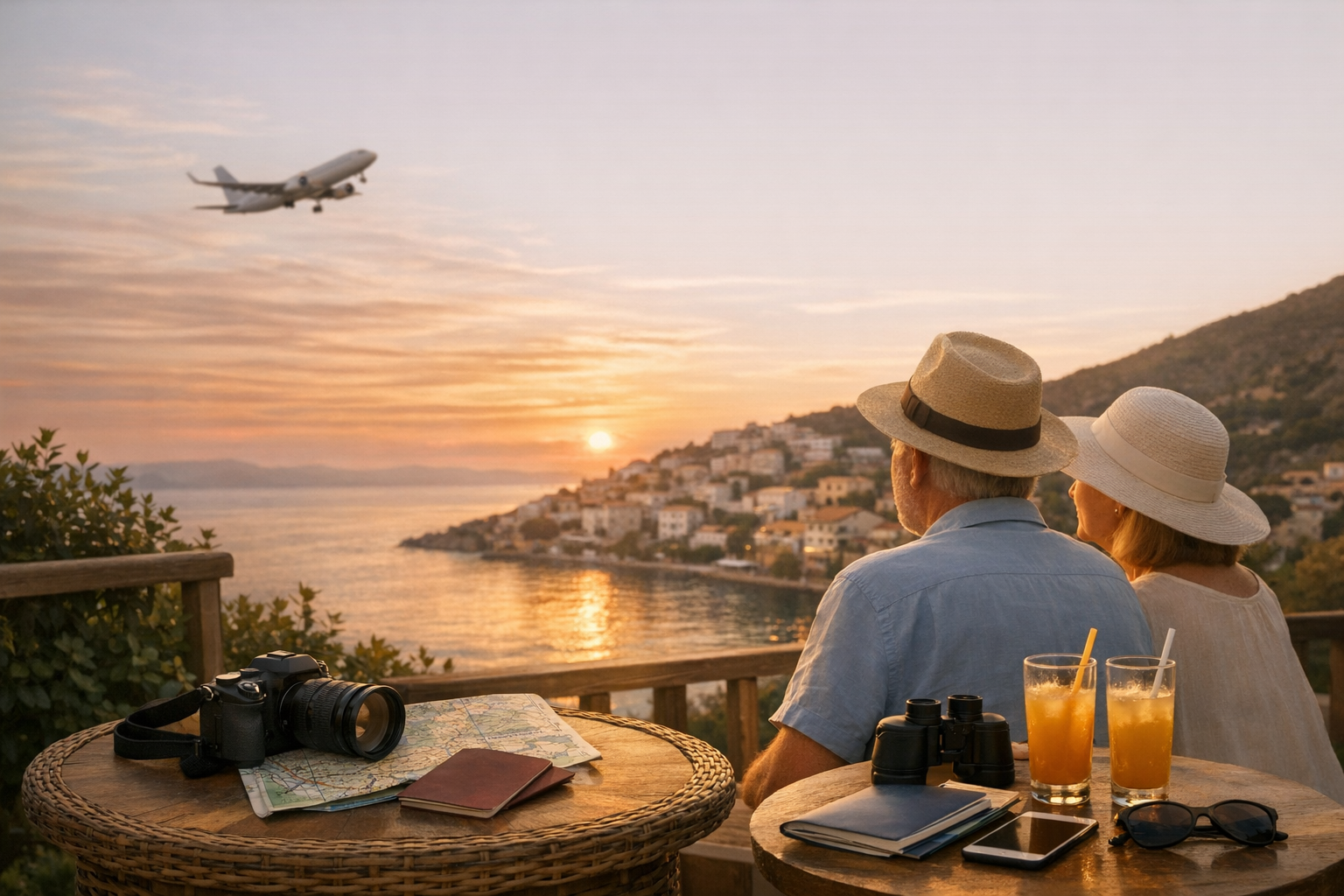
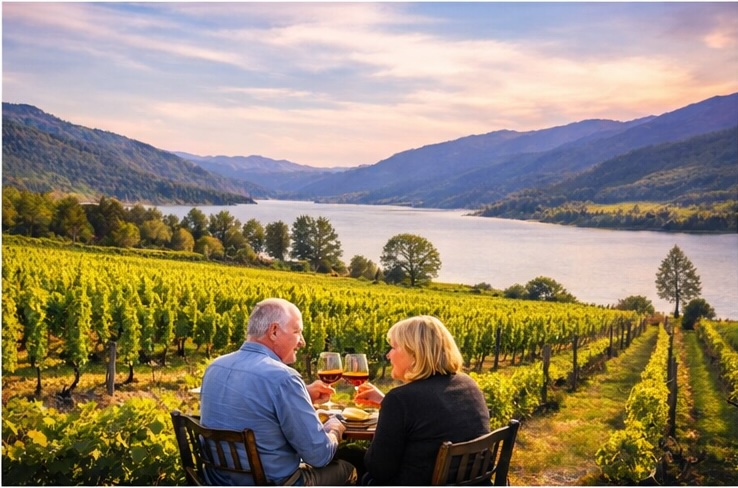
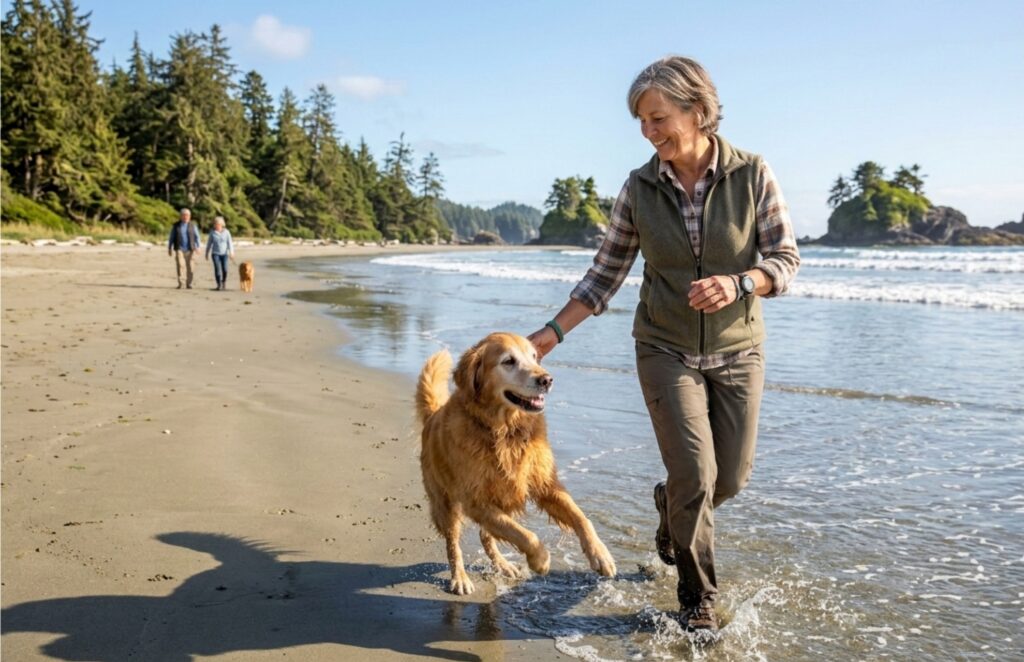
But travel after 50 is more about knowing what you enjoy, what you don’t, and having the confidence to plan accordingly. Comfort matters more. So does flexibility. And perhaps most importantly, so does the freedom to do less and enjoy it more.
Whether it’s a long-awaited city break, a coastal escape, or something a little more adventurous, a few well-chosen habits can make all the difference. With that in mind, here are 30 practical tips to help you get the most out of your next holiday – without the stress.
1. Travel at your own pace
One of the great freedoms of travelling later in life is finally being able to set your own rhythm. You’re no longer tied to school holidays, annual leave battles, or peak‑season crowds. Travelling during quieter periods not only saves money, it also transforms the whole experience. You’ll find shorter queues, calmer airports, and destinations that feel more authentic. Give yourself permission to slow down, linger, and savour rather than rush.
2. Choose comfort
There comes a point when the “cheapest flight” stops being a badge of honour and starts being a burden. A five‑hour layover to save $100 rarely feels worth it anymore. Prioritise direct routes, sensible departure times, and airlines that treat you well. Comfort isn’t indulgence; it’s the foundation of an enjoyable trip.
3. The importance of travel insurance
Insurance may not be glamorous, but it’s essential, especially as policies become more nuanced with age. Look for cover that includes pre‑existing conditions, cancellations, and medical care abroad. It’s not about expecting the worst; it’s about travelling with confidence, knowing you’re protected if plans change unexpectedly.
4. Book plane seats early
Whether you prefer an aisle for stretching or a window for leaning, securing your seat early removes a surprising amount of stress. It also helps avoid last‑minute scrambles or uncomfortable journeys. Very often, this comes ar a cost, but if you can afford it, it can be money well spent.
5. Pack lighter
Most of us overpack out of habit, not necessity. In reality, you’ll wear half of what you bring. Choose comfortable, mix‑and‑match pieces and leave the “just in case” items behind. A lighter bag means easier movement, less strain, and more energy for the experiences that matter. But don’t skimp on essentials, including medicines.
6. Prioritise good footwear
If there’s one place to invest, it’s your feet. A supportive pair of walking shoes can make or break a holiday. Look for cushioning, grip, and comfort over style.
7. Build in rest days
You don’t need to see everything. In fact, the best moments often happen when you slow down. A rest day isn’t wasted time; it’s a chance to recharge, reflect, and enjoy the destination without an agenda. Your body and mind will appreciate the pause.
8. Stay central where possible
A slightly higher room rate can save you hours of commuting and endless taxi fares. Staying central means more time exploring and less time navigating transport. It also gives you the freedom to pop back to your room for a rest whenever you need it.
9. Check accessibility in advance
Even the most charming boutique hotels can hide steep staircases or narrow bathrooms. A quick call or email can clarify accessibility features and prevent unwelcome surprises.
10. Smaller group tours
Smaller groups tend to move at a gentler pace, offer more flexibility, and create a more personal experience. You’re less likely to feel rushed, and more likely to enjoy meaningful interactions with guides and fellow travellers.
11. Medication when flying
Always keep essential medication with you, not in checked luggage. Delays and lost bags happen, and you don’t want your health routine disrupted. A small organiser and a copy of your prescriptions can make travel days much smoother.
12. Hydrate
Flights, tiring car journeys, heat, and long days can dehydrate you faster than you expect. Drink water regularly, even if you don’t feel thirsty. Staying hydrated helps with energy, digestion, and overall comfort, especially in warmer climates.
13. Be realistic about activity levels
Your enthusiasm may say “six‑hour walking tour,” but your body might prefer two. Choose activities that feel enjoyable rather than exhausting. There’s no prize for pushing yourself to the point of discomfort.
14. Technology
Offline maps, translation apps, digital boarding passes, and currency converters can simplify travel enormously. But technology doesn’t replace intuition; it enhances it. Take advantage of both.
15. Off the beaten path
We’ve mentioned the benefit of staying centrally, but lesser-known spots often offer better value and a more authentic feel. Smaller towns, quieter beaches, and rural regions can surprise you with their charm and their affordability, as long as location is not a barrier to you enjoying your holiday.
16. Take advantage of concessions
Many attractions, museums, and transport systems offer senior discounts, but they’re not always advertised. It’s always worth asking. A small saving here and there adds up quickly.
17. Opt for hand luggage where possible
Travelling with just a carry‑on can make arrivals far smoother. No waiting at baggage reclaim, no risk of lost luggage, and far less to haul around.
18. A good bag
A lightweight, secure, comfortable day bag becomes your constant companion. Look for padded straps, zipped pockets, and enough room for water, a jacket, and essentials. It’s worth every penny.
19. Don’t overschedule
A packed itinerary might look exciting on paper, but in reality, it can feel overwhelming. Leave space for spontaneous discoveries – a café you stumble upon, a quiet viewpoint, a conversation with a local. These moments often become the highlights.
20. Book key attractions in advance
Long queues lose their appeal quickly. Booking ahead saves time, guarantees entry, and helps you plan your days more comfortably. This small step can make a big difference.
21. Jet lag
Jet lag can hit harder as we get older. Give yourself time to adjust, stay hydrated, and avoid planning anything strenuous on your first day. A gentle start sets you up for a better trip.
22. Escorted tours for complex trips
For destinations where logistics are tricky – safaris, multi‑city itineraries, or remote regions – an escorted tour can remove stress and ensure you see the best bits without the hassle.
23. Eat well
Enjoy the local cuisine, but listen to your body. Rich meals, unfamiliar ingredients, and irregular eating times can take a toll. Balance indulgence with what makes you feel good.
24. Keep copies of important documents
Digital and paper backups of passports, insurance, and bookings can save enormous trouble if something goes missing. Store them separately from the originals for extra peace of mind.
25. Talk to locals
A simple conversation can lead to better recommendations than any guidebook. Locals know the hidden gems, the best times to visit, and the places worth skipping. These interactions often become treasured memories.
26. Rest and relaxation
A quiet coffee, a book, a view — these small pauses often define a holiday. Don’t feel guilty about taking time for yourself. Rest is part of the experience.
27. Watch the weather
Extreme heat or cold can affect enjoyment more than it once did. Check forecasts regularly and adjust plans accordingly. Comfort and safety always come first.
28. Good reviews
Noise levels, bed quality, and cleanliness matter more than ever. Read reviews carefully, especially from travellers in your age group, to ensure a restful stay.
29. Travel with purpose
Whether it’s history, food, nature, or relaxation, having a focus gives your trip meaning. Purposeful travel often leads to deeper experiences and more satisfying memories.
30. It’s your holiday
It’s not a checklist, not a race. The real luxury now is doing exactly what you want, when you want. Let go of pressure and expectations. This stage of life is about freedom – enjoy it fully.
Experience
If there’s a common thread running through all of this, it’s simple: travel should suit you, not the other way around.
Holidays after 50 come with a distinct advantage – experience. You know what works, what doesn’t, and what really matters when you’re away from home. That might mean fewer destinations and more depth, better hotels over bargain hunting, or simply allowing yourself the time to sit, watch, and take it all in.
There’s no single “right” way to travel at this stage of life. Some will chase adventure, others will seek quiet, and many will find a balance somewhere in between. The real luxury is having the choice — and the confidence to take it.
And if you return home feeling rested, interested, and already thinking about the next trip, you’ve probably got it exactly right.