



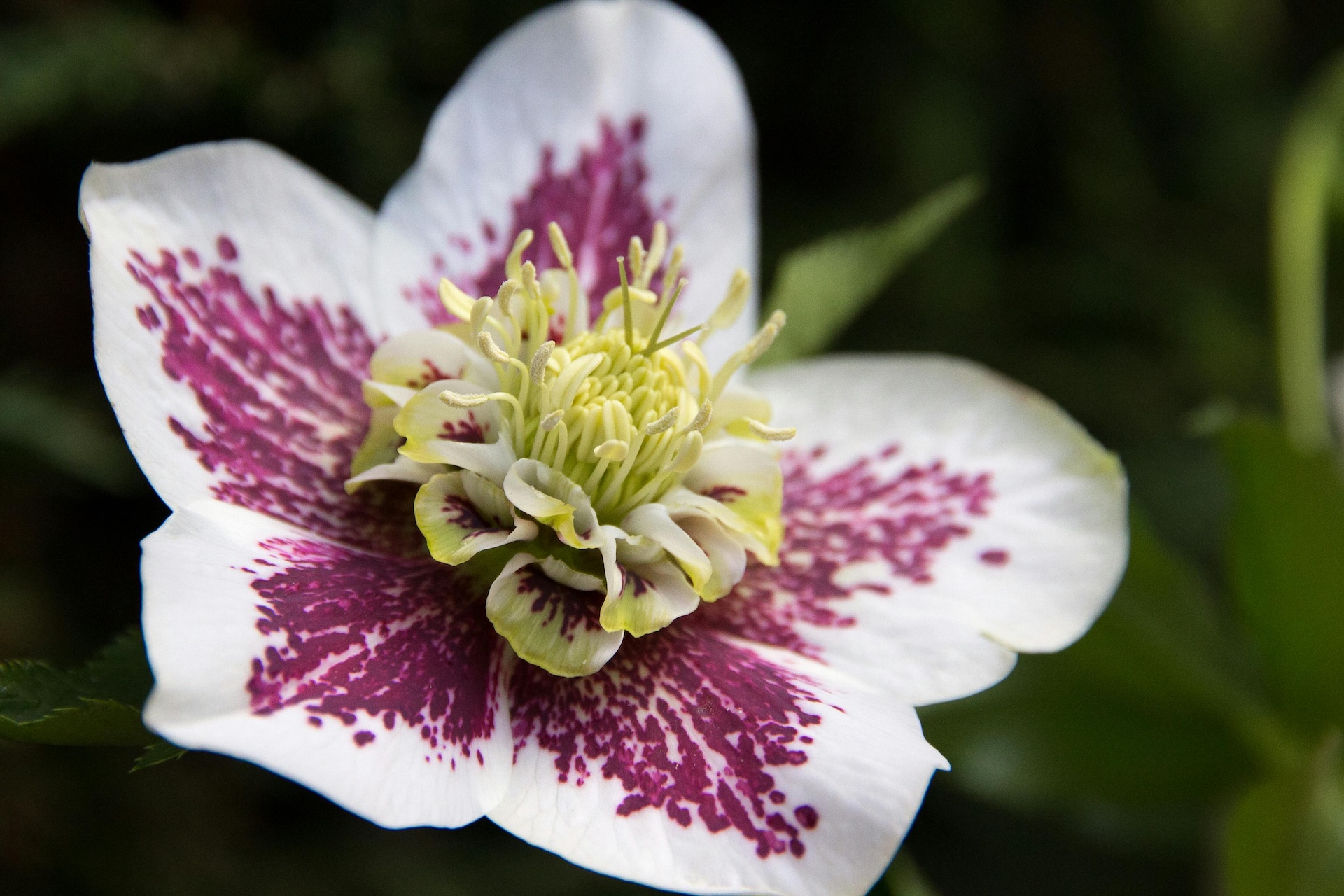
If there is one plant that rewards the gardener’s patience during the final, chilly stretch of winter that can last a long time, depending on where you live in Canada, it is the hellebore. Often called the Lenten Rose due to its habit of blooming around the beginning of Lent, this perennial is a sophisticated addition to any garden. It offeris a touch of glamour when the rest of the garden is still slumbering.
For those of us looking for low-maintenance beauty that stands the test of time, hellebores are a must-have.
Vital statistics
-
Height: Typically 30cm-45cm (12-18 inches). Their mounding habit makes them a perfect choice for the front of a shaded border or as lush groundcover.
-
Spread: Approximately 45cm-60cm (18-24 inches). They are well-behaved plants that slowly clump over time, filling their space without becoming invasive.
-
Flowers: Large, nodding, cup-shaped blooms that appear from late winter through early spring. Colors range from pure white and soft primrose to dusty pinks, deep bordeaux, and even striking slate-greys. Many varieties feature exquisite freckles or contrasting veins on the petals.
-
Hardiness: Extremely hardy (to Zone 4). These resilient beauties are built for the Canadian climate; they can often be seen pushing their flower buds right through a late-season dusting of snow.
Stylish achievers
Hellebores are the “quiet achievers” of the garden. They are deer-resistant and thrive in tricky shady spots where other flowers struggle. Their leathery, evergreen foliage provides structural interest all year round, acting as a reliable backdrop for your summer perennials.
Where to plant
Hellebores prefer a spot in dappled shade. They love being tucked under the canopy of deciduous trees or large shrubs. This positioning ensures they get the winter sun they need to bloom, but are protected from the harsh midday heat during the summer months.
How to grow
-
Soil: They aren’t overly fussy but do appreciate well-drained soil rich in organic matter. Adding a bit of compost when planting will get them off to a flying start.
-
Watering: Once established, they are remarkably drought-tolerant, though they enjoy a regular drink during particularly dry spells.
-
Pruning: In late winter, just as the new flower buds begin to emerge from the base, snip off the old, leathery leaves from the previous year. This ensures the stunning flowers take center stage.
Be aware
Hellebores are toxic if ingested and can sometimes irritate the skin. It’s always a good idea to wear gardening gloves when pruning them.
The verdict
If you are looking to simplify your garden without sacrificing style, the Hellebore is your perfect match. It is a long-lived, resilient perennial that brings a sense of grace and renewal to the garden exactly when we need it most.