Recommended Posts



Search Results



There’s a moment in mid-to-later life – sometimes subtle, sometimes seismic – when you realise you’ve lived long enough to see the patterns. You understand what mattered, what didn’t, and what you postponed because you thought you had endless time.
When people over 50 reflect on what they wish they’d done sooner, the answers aren’t necessarily about chasing youth or rewriting the past. They’re about clarity. They’re about the things that would have made life gentler, fuller, or more honest.
Here are 10 answers from people over 50 aboiut what they now wish they should have done sooner.

For most of his life, Mark was the reliable one – the person everyone called when they needed a favour. He grew up in a house where keeping the peace meant staying quiet, so he carried that into adulthood without ever questioning it. He said yes to extra shifts, yes to family obligations, yes to friends who only called when they needed something.
It wasn’t until his mid‑50s, when his doctor asked him why his blood pressure was so high, that he realised how much of his stress came from constantly managing other people’s comfort. He wasn’t living his own life – he was living the version everyone else expected.
The moment that changed him wasn’t dramatic. It was a Sunday morning when he cancelled plans he didn’t want and felt relief instead of guilt. That’s when he understood: the people who truly cared didn’t disappear when he stopped over‑giving. The ones who did disappear had never been there for him anyway.
If he could speak to his younger self, he’d say: You don’t owe everyone access to you. You’re allowed to choose yourself without apologising for it.
Angela always assumed she’d “get around to it.” She was busy – raising kids, working full‑time, looking after her mother. Exercise felt indulgent. Sleep was optional. Meals were whatever she could grab between responsibilities.
Then, at 58, she found herself breathless walking up a single flight of stairs. A few weeks later, a routine checkup turned into a conversation about prediabetes and heart strain. She remembers sitting in the parking lot afterwards, feeling angry — not at the diagnosis, but at how long she’d ignored the quiet warnings her body had been giving her.
What surprised her most wasn’t the fear. It was how quickly she felt better once she started making small changes. A 20‑minute walk. A proper breakfast. Going to bed before midnight. She didn’t need to overhaul her life – she just needed to stop treating her body like an afterthought.
She often says now, “I didn’t realise how tired I was until I finally rested.”
When their kids were young, David and his wife kept saying, “We’ll travel when things settle down.” But things never did. There was always a bill, a school event, a work deadline, a reason to postpone.
Then his wife died suddenly at 61.
He found their old travel folder a few months later — brochures for Italy, a list of places she wanted to see, a note in her handwriting that said, “One day.” He realised then that he’d spent decades waiting for a perfect moment that never arrived.
Now, when he travels alone, he doesn’t chase big destinations. He goes to small towns, quiet coastlines, places she would’ve loved. He doesn’t regret the trips they couldn’t afford. He regrets the ones they could have taken but didn’t, because they assumed there would always be more time.
He tells people now: Go while you can. Even if it’s just for a weekend. Even if it’s not perfect.

Rita grew up in a family where feelings were implied, not spoken. She carried that into adulthood – she loved deeply, but quietly. She assumed the people in her life “just knew.”
When her father had a stroke, she sat beside his hospital bed, wishing she’d told him how much she admired him. When her son moved overseas, she wished she’d said she was proud of him instead of just giving practical advice. When her marriage ended, she wished she’d spoken up years earlier instead of swallowing resentment until it hardened.
The regret isn’t about dramatic confessions. It’s about the small, everyday moments she let pass – the compliments she withheld, the apologies she delayed, the gratitude she felt but never voiced.
She’s learning now that words don’t have to be perfect to matter. She says them even when her voice shakes.
For most of her life, Denise told people she “wasn’t the creative type.” Her older sister was the artistic one; the one who drew, painted, sang. Denise learned early that her role was to be the sensible one, the helper, the organiser. So she stuck to practical hobbies, practical jobs, practical choices.
Then, at 62, she signed up for a beginner’s pottery class because a friend didn’t want to go alone. She remembers the first time the clay spun under her hands –how clumsy she felt, how messy it was, how something inside her loosened anyway. She cried in the car afterwards, not because the bowl was terrible (it was), but because she realised how long she’d denied herself the simple joy of making something.
She didn’t need talent. She needed permission – her own.
Now she has a shelf full of lopsided bowls and a life that feels bigger than it did before.
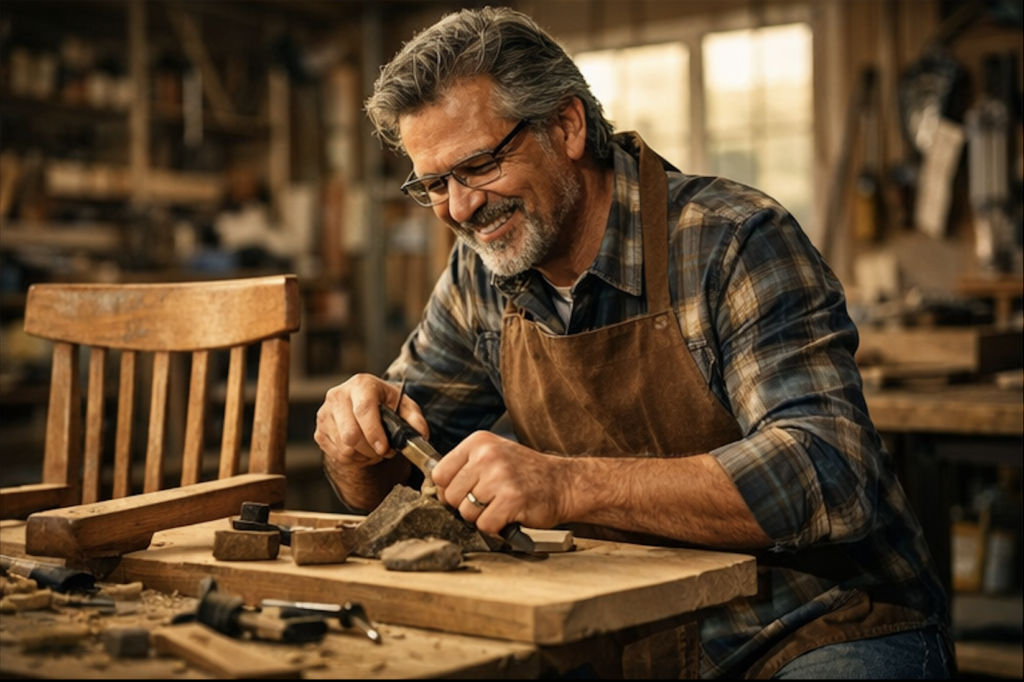
Carlos stayed in the same job for 27 years. It wasn’t a bad job – it paid the bills, the people were fine, and he was good at it. But he always had this quiet itch to do something different. He wanted to teach. He wanted to work with his hands. He wanted to start a small business repairing old furniture.
Every time he thought about leaving, he talked himself out of it. “It’s too late.” “It’s too risky.” “What if I fail?” So he stayed. And the years passed.
At 55, the company restructured, and his position was eliminated. The thing he’d feared – instability – arrived anyway, without his permission. But something unexpected happened: he didn’t fall apart. He adapted. He took a course. He started restoring furniture in his garage. He sold his first piece to a neighbour who cried when she saw it.
He realised then that the risk wasn’t leaving. The risk was staying somewhere he’d outgrown.
When her kids moved out, Lila kept every box, every school project, every piece of furniture “just in case.” She held onto clothes that didn’t fit, friendships that didn’t nourish her, and a version of herself she no longer recognised. Letting go felt like admitting something was over, and she wasn’t ready for that.
Then her daughter gently asked why she still kept the crib in the basement. “Mum,” she said, “I’m 34.”
That moment cracked something open. Lila realised she wasn’t preserving memories; she was preserving a life she’d already lived. The clutter wasn’t sentimental. It was fear. Fear of change. Fear of ageing. Fear of who she’d be without all the roles she’d carried for decades.
When she finally started letting things go, she felt lighter. Not because the house was tidier, but because she wasn’t dragging her past into every room.
She wishes she’d known sooner that letting go isn’t losing. It’s making space for who you’re becoming.
After her divorce, Marianne realised she didn’t really have friends – she had acquaintances, colleagues, and people she chatted with at school events. But she didn’t have anyone she could call at 2 a.m. She’d spent so many years prioritising her marriage, her kids, her job, that she’d let her friendships fade without meaning to.
The turning point came when she got the ‘flu’ and no one checked in. Not because people didn’t care, but because she’d never let anyone close enough to know she needed them.
In her 50s, she started reaching out. She invited people for coffee. She joined a book club. She said yes when someone suggested a walk. It felt awkward at first, like dating for friendship. But slowly, she built a circle – not big, but real.
She wishes she’d understood earlier that friendships don’t just happen. They’re tended, like gardens. And the tending is worth it.
For decades, Tom filled every quiet moment with noise – the TV on in the background, the radio in the car, constant plans with friends. He wasn’t afraid of being alone; he just didn’t know how to be with himself without feeling restless.
When he retired at 60, the sudden stillness hit him like a wall. No meetings. No deadlines. No structure. He realised he’d built a life where his identity depended on being busy.
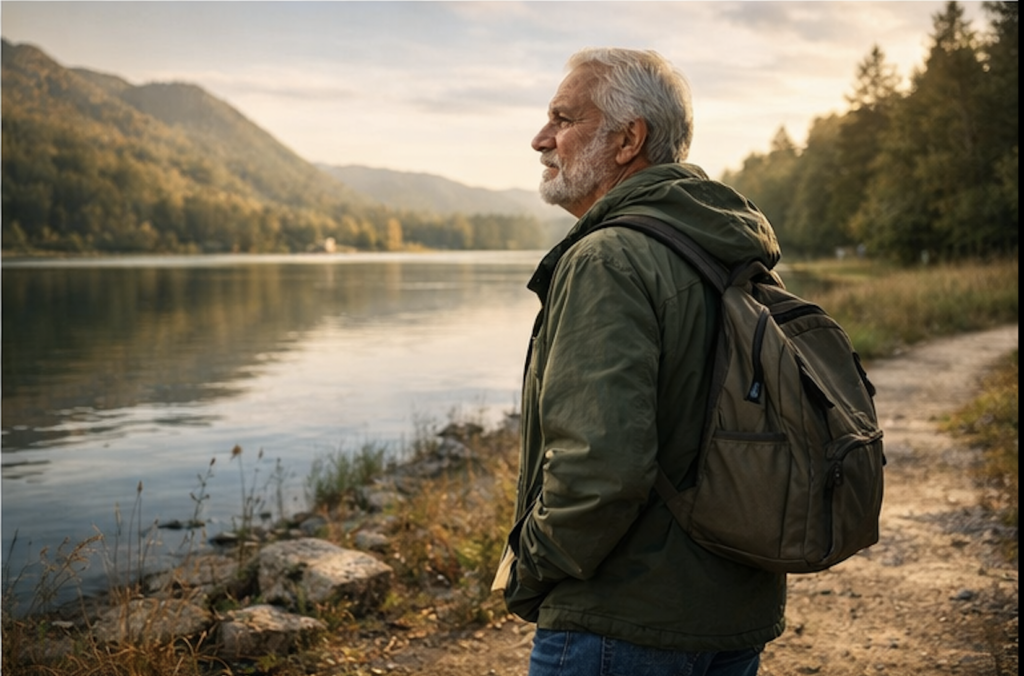
One morning, he took a walk without headphones. He noticed the sound of his own footsteps, the way the air felt, the thoughts he’d been avoiding. It was uncomfortable at first — then strangely peaceful.
Over time, he learned to enjoy slow breakfasts, quiet afternoons, and solo trips to the cinema. He discovered that solitude wasn’t emptiness. It was space.
He wishes he’d known sooner that being alone isn’t something to fix. It’s something to learn.
When she turned 49, Priya panicked. She’d absorbed every cultural message about ageing – that beauty fades, opportunities shrink, joy becomes smaller. She spent her 40s bracing for decline, convinced the best parts of her life were behind her.
Then, at 52, she fell in love again. At 54, she started a business. At 57, she dyed her hair purple for the first time. She laughed more in her 50s than she had in her 20s.
She realised that aging didn’t close doors – it closed the wrong ones. The ones she never needed. The ones she’d been squeezing herself into for years.
Her only regret is how much time she spent fearing a future that turned out to be fuller, freer, and more honest than anything that came before.
Every person we spoke to said the same thing in different words:
“I can’t change the past, but I can change the next chapter.”
And that’s the quiet gift of being over 50. You see life clearly. You know what matters. You’re no longer performing for anyone. And you still have time – real, meaningful time – to do the things you once postponed.