Reliable, hardy and unfussy, snowdrops are ideal for gardeners who enjoy plants that return faithfully year after year with very little intervention.
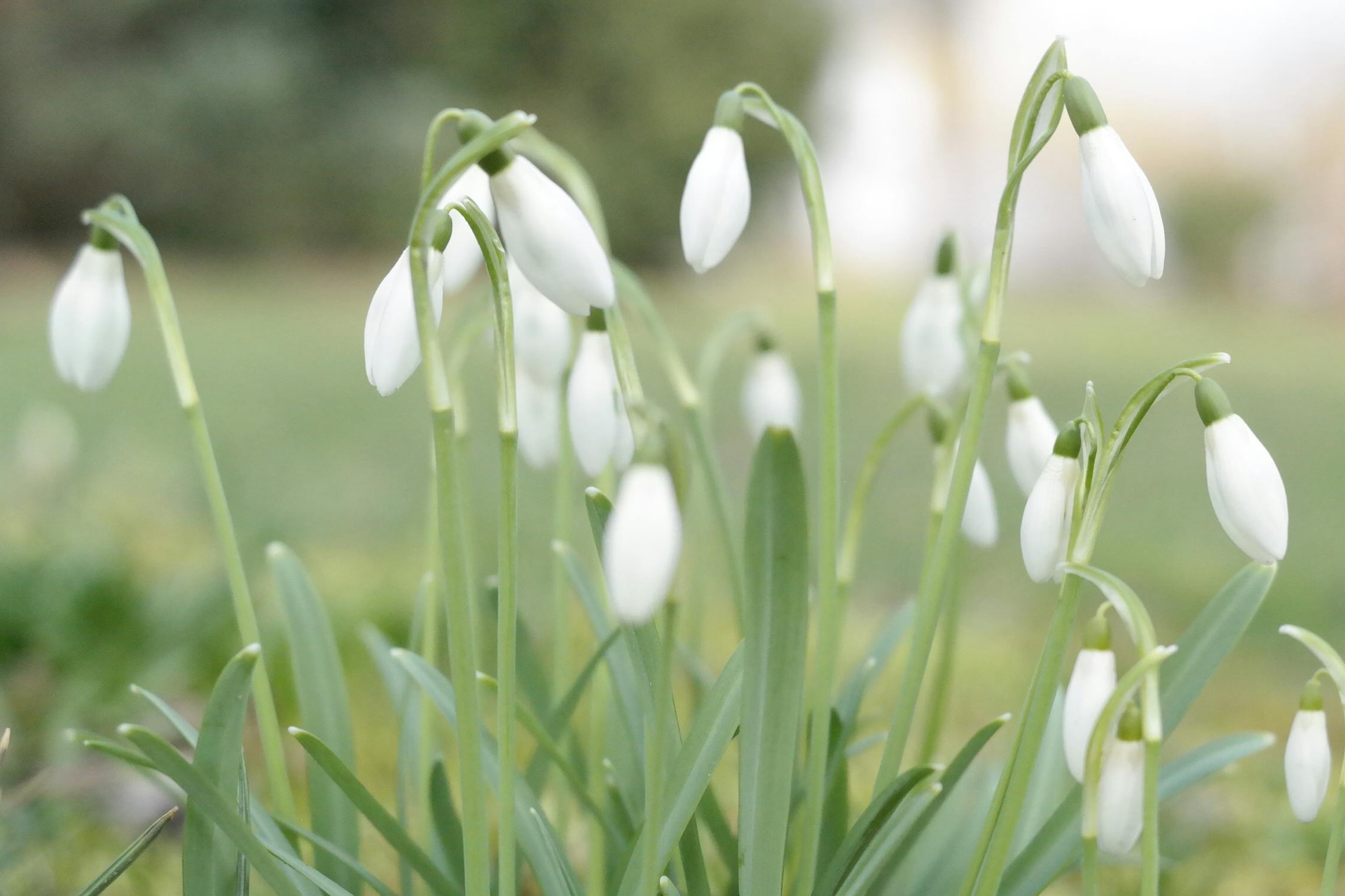
Height: Typically 10-20cm (4-8 inches). Their compact size makes them perfect for the front of borders, rock gardens or naturalised grass.
Spread: Over time, snowdrops form neat clumps that gradually expand. Left undisturbed, they will naturalise and create soft carpets of white in late winter. Clumps can be divided in the green (just after flowering) if you wish to spread them elsewhere in the garden.
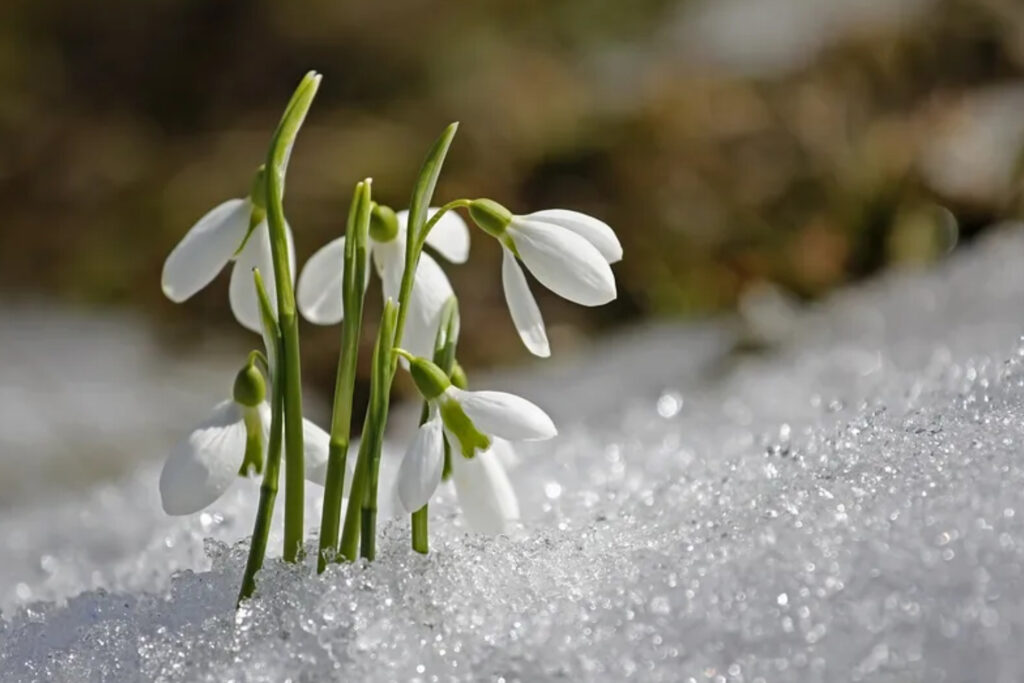
Flowers: The blooms are pure white and delicately nodding, with three outer petals surrounding shorter inner segments often marked with soft green. Though small, their simple elegance is unmistakable. Flowering typically occurs from late winter into very early spring, depending on climate.
Hardiness: Exceptionally hardy. Snowdrops thrive in cold climates and tolerate frost and light snow with ease. They perform best in temperate regions with distinct winter seasons.
Planting & care
Plant bulbs in autumn, around 5–8cm (2–3 inches) deep and spaced a few inches apart. They prefer moist, well-drained soil enriched with organic matter.
Snowdrops grow happily in partial shade or full sun – particularly beneath deciduous trees, where they enjoy sunlight before the canopy leafs out. Water during dry spells while in growth, but avoid waterlogged conditions.
After flowering, allow the foliage to die back naturally. This enables the bulbs to store energy for the following year’s display. Once established, they require very little ongoing care.
Moist but well-drained soil is essential. Avoid waterlogged conditions during freeze–thaw cycles. A light mulch in colder zones can help protect bulbs.
Seasonal tips
-
Late winter: Enjoy the display and resist the urge to tidy too soon. The foliage is feeding next year’s blooms.
-
Early spring: Divide congested clumps just after flowering if desired.
-
Summer: Mark their location if planting among perennials, so you don’t disturb dormant bulbs.
-
Autumn: Add a light mulch of compost to enrich the soil.
Design ideas
Snowdrops are at their most enchanting when planted in drifts rather than single rows. Scatter bulbs informally beneath trees, along woodland paths or at the edge of shrubs for a natural look. Pair them with other early bloomers such as hellebores or crocus for layered interest. In containers, combine them with winter greenery for a welcoming entrance display. Their white flowers glow beautifully in low light, making them especially effective near walkways or doorways.
Final word
Snowdrops may be small, but they carry enormous seasonal significance. They are often the first whisper of change in the garden — a gentle reminder that brighter, warmer days are just ahead. Plant them once, and each year they’ll reward you with that same quiet moment of joy when winter begins to loosen its hold.
Snowdrops actually appreciate cold winters — they require a chilling period to bloom properly, so Canadian winters are generally ideal.